The best way to judge a dress is to turn it inside out
Sweat barrier, forbidden Tudor hoses, modern status symbol.
Discover how the humble lining became a form of self-expression,
and why Fátoli lines every piece in blue.
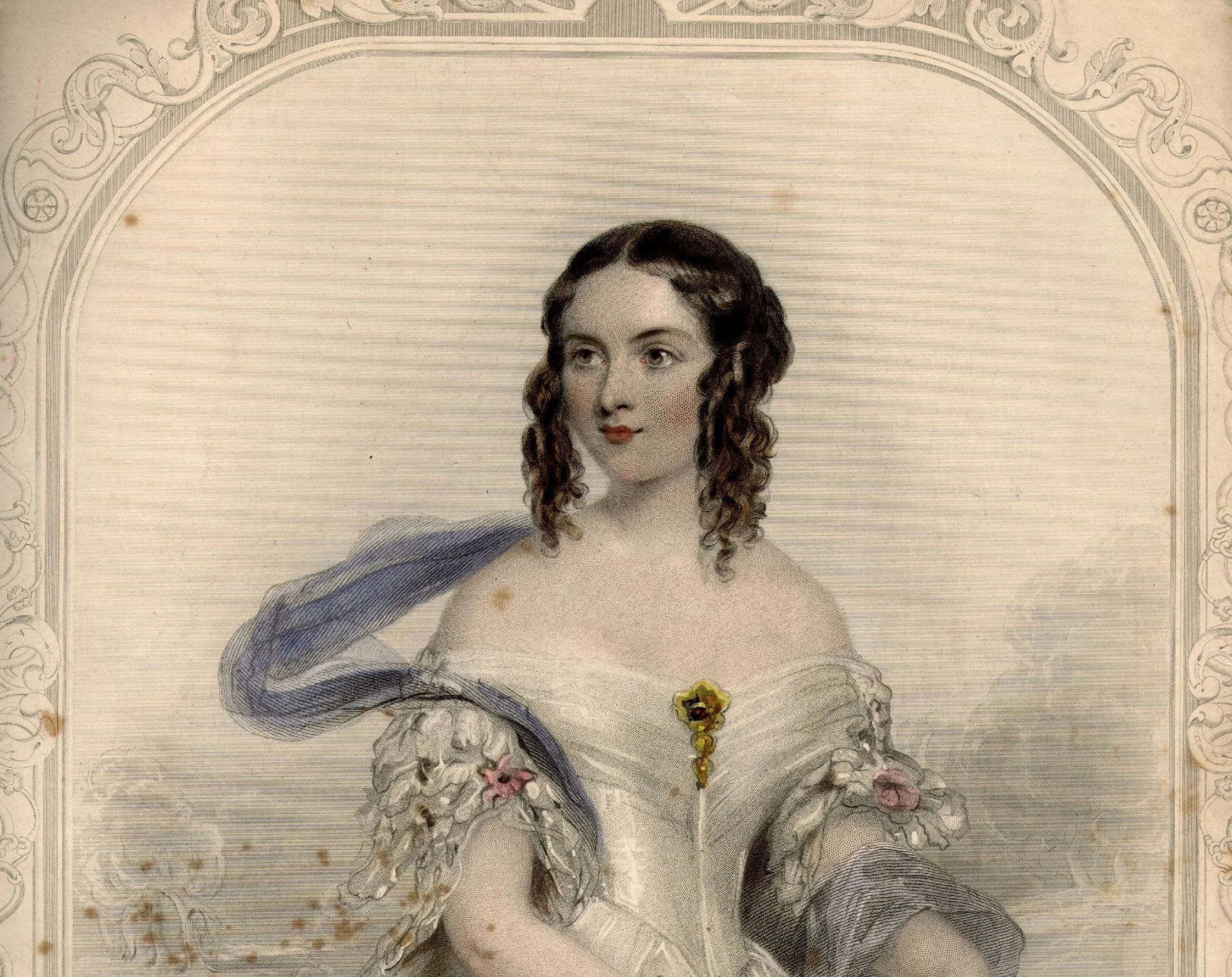
Historically, a lining was about protection, to absorb sweat and friction and to protect the much more expensive clothes above them. In the Middle Ages and Renaissance, it could simply be a white linen layer worn as the first layer.
In the 18th century, the upper class could wear parts of the chemise (first layer) showing off, as that meant they didn’t have to work and could keep their clothes extremely white.
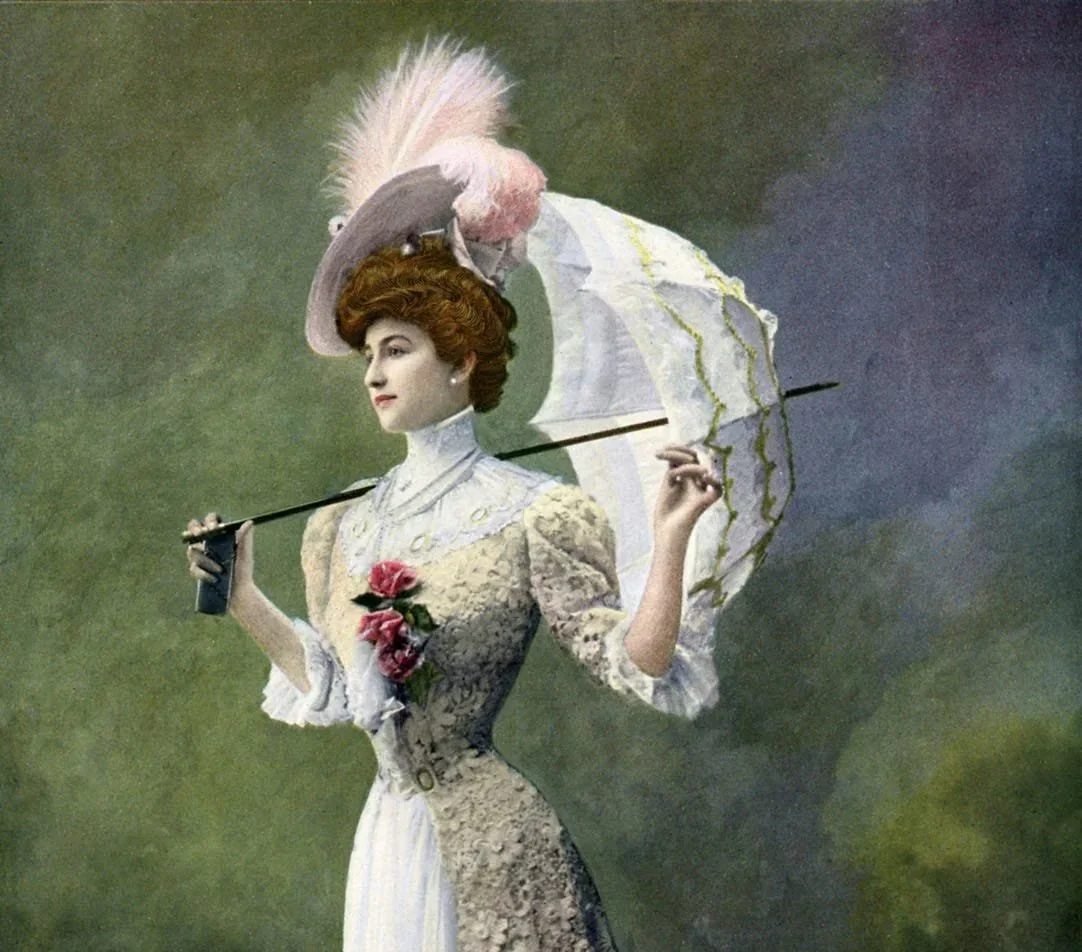
Later, those hidden layers became structural. A lining could support the silhouette, hold the boning in place or create volume, even though it was usually thinner than the flat lining used today, as the corset would provide the remaining necessary shape.
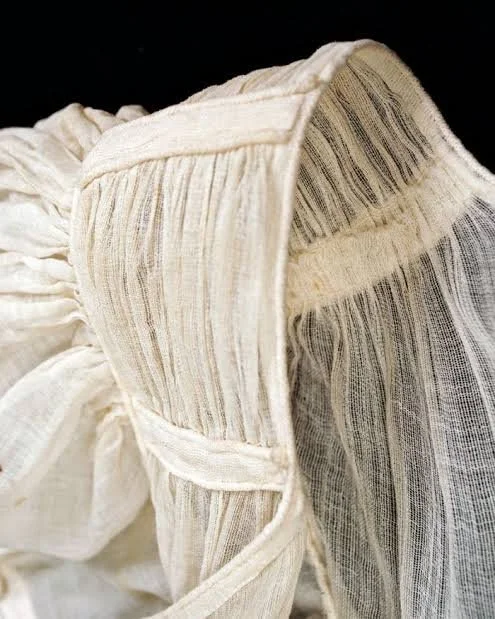
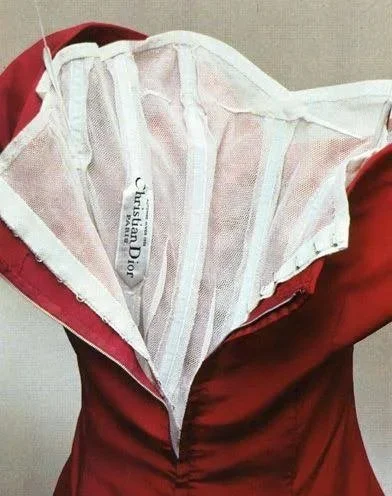
As dressmaking became more sophisticated, the inside became a place to show craftsmanship, sometimes using materials as luxurious as the ones on the outside.
“I bought a dress that I really liked, and my grandmother looked at it and said: ‘This took nothing to make, it's not even lined!’
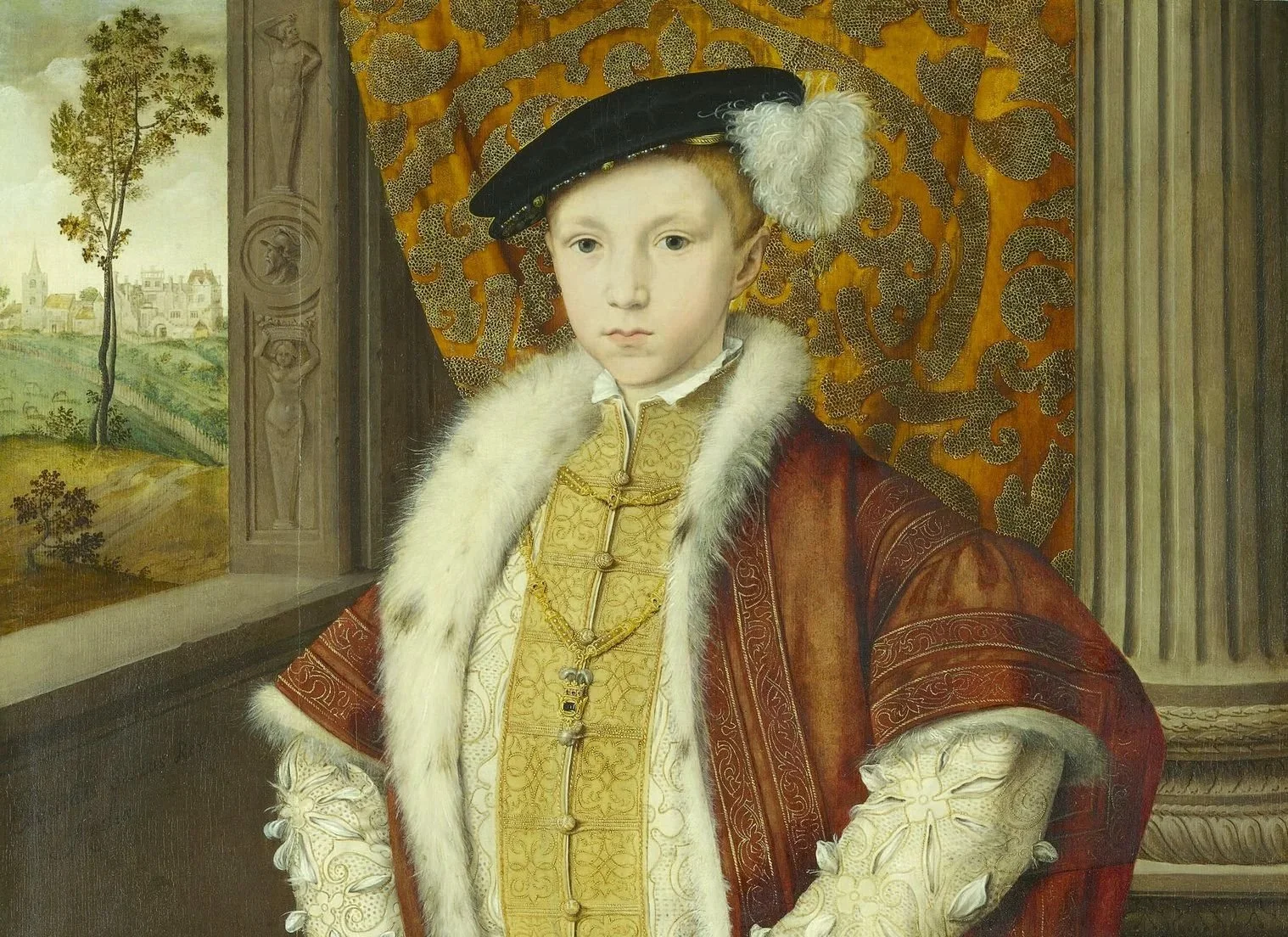
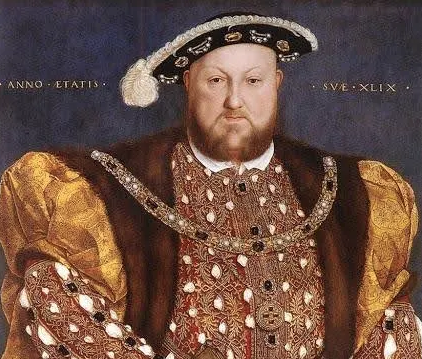
Perhaps one of the first demonstrations of linings being visibile and regulated were the series of Tudor sumptuary laws, issued under Henry VIII’s reign, targeting excessive extravagance in fashion in the 16th century.
As The Tudor Tailor says “In February 1534, an act of apparel stated that no man with an income of less than 40 shillings (£2) a year was permitted legwear with a lining which could be seen ‘through the outer part of their hosen’ unless it was of the same cloth as the top fabric. (…)
Even a mariner on the ship Primrose had ‘a newe payr of white hoose drawen with sarcenet' (a type of silk) in 1554. A proclamation of 1566 outlawed excessive plucking out ‘betwixt panes and cuts’ in hose even if the wearer was permitted such embellishments.”
Later, a neatly finished garment could mean disposable income or prosperity, as they would require extra labour hours and technical knowledge.
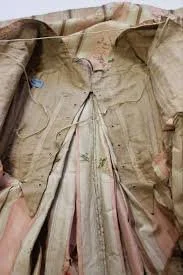
The exhibition “Inside Out: Revealing Clothing’s Hidden Secrets” by designer Jim Williams shows pieces from the 18th to the 20th century that, when turned inside out, reveal an inner layer as beautiful as the outer. Weights, pockets, quilted linings, boning, ruffles and labels show a meticulous workmanship.
The lining can then be used to show the secret inner-workings that are usually out of sight, taking a keen eye to recognize the expertise.
Fátoli choses Bemberg for their linings, known for its high breathability and biodegradable qualities, it is a favourite amongst designers. But it is in the colour that the brand stood out, choosing their signature blue to line their pieces (with the exception of translucent dresses).
“The quality of the finishes is undoubtedly important but we mustn’t forget the power of colour.” says Clarisse, allowing us to question why we associate certain objects with certain colours.
Today, high-end linings become a form of self-expression. An extravagant colour or pattern that only the wearer knows is there, a direct conversation between the designer and the person wearing it.
Sources:
https://adventuresofatudornerd.com/2023/11/27/guest-post-the-dos-and-donts-of-tudor-mens-dress-what-to-wear-in-sixteenth-century-england-by-toni-mount/
https://www.cardinal-creations.com/classes/tudor-clothing-class
https://midvalevintagepost.blogspot.com/2014/06/history-of-sewing-1920s-foundation.html
https://www.youtube.com/watch?v=myRNKk0-63A
https://www.samsonhistorical.com/blogs/reliving-history/fashion-before-ease?srsltid=AfmBOoo3VW6khZtF5o5dyGOcHFFCLw7YFgZef8Z-0gFU__7Jkz3Ehtml
https://en.wikipedia.org/wiki/Dress
https://permies.com/t/160274/line-clothing-stop
https://historicalsewing.com/demystifying-victorian-bodice-construction
https://www.selvane.co/pt/blogs/knowledge/the-art-of-the-lining-what-you-do-not-see-matters-most?srsltid=AfmBOorZz-U1Fb5OEObDI5-v6iqEUxjgNyxG--qO-mLhlT8Pzh0e4W5z
https://fashionexhibitionmaking.arts.ac.uk/nside-out-revealing-clothings-hidden-secrets/
https://www.apparel-x.com/blog/AXG/bemberg-lining
https://www.tudortailor.com/news/marry-heres-grace-and-a-codpiece-thats-a-wise-man-and-a-fool-king-lear-act-iii-scene-2