The Psychology of Patterns: Tartan, Birdseye & Sandwave
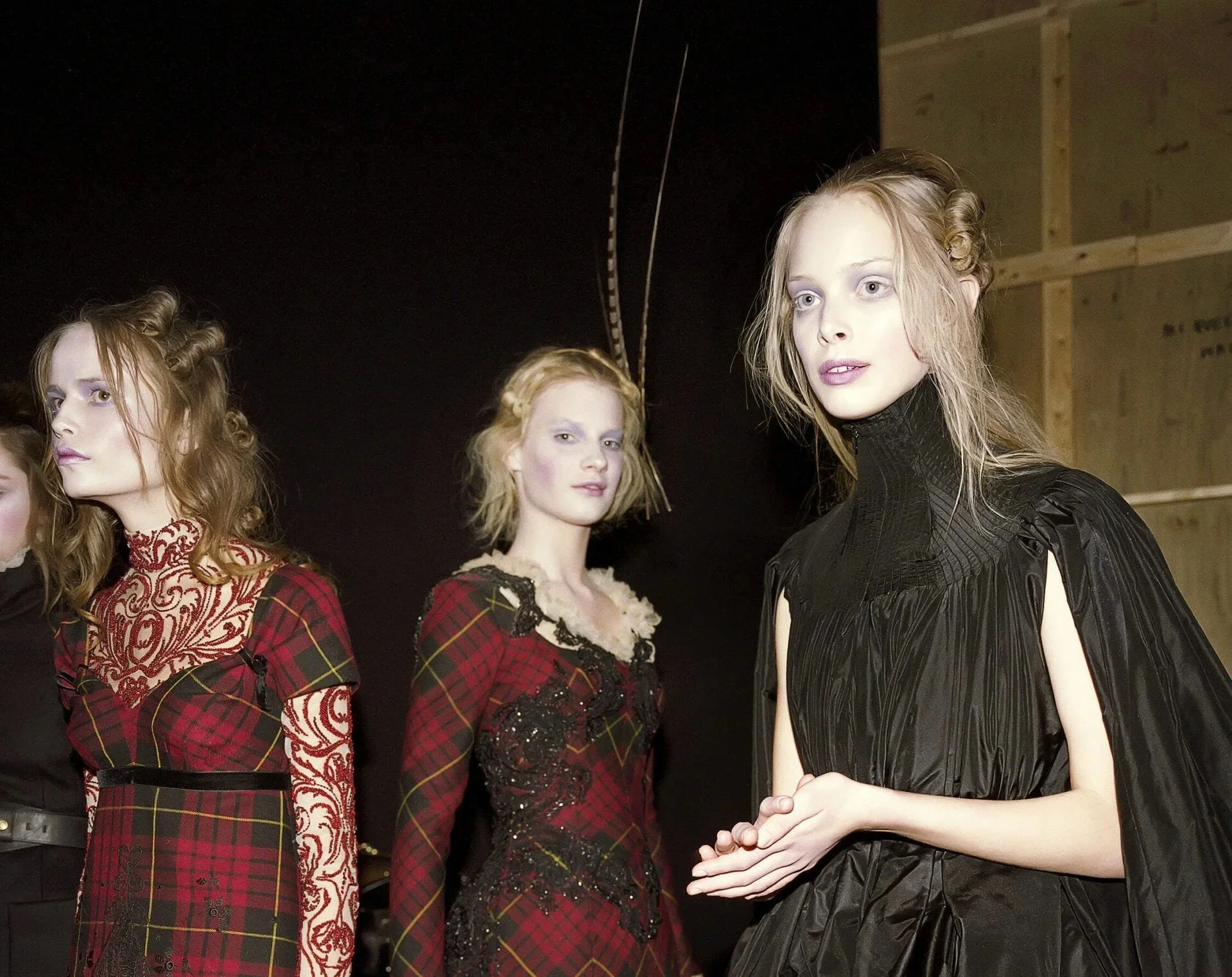
Tartan can be a symbol of Scottish tradition, but Alexander McQueen used it to explore the destruction of Scotland, while Burberry turned it into its iconic check.
How can the same pattern have completely different meanings?
Discover how fashion designers reinvent traditional patterns and change their cultural context, from tartan and birdseye to Sandwave, the birdseye variation introduced by Fátoli and inspired by the coast of north of Portugal.

The same pattern can signal different places, social classes or political movements. Fashion designers have always reinvented the context in which we use a piece and the associations we have with it.
1 Check, 3 Interpretations
Tartan, also known as plaid, originated in woven wool and the kilts made them a Symbol of the Scottish identity.
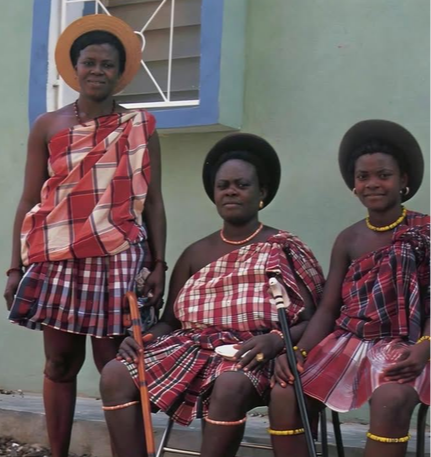
Even though it is mainly associated with north of Europe, the tartan can be found in many parts of the world, as it is the case with the Massai people and their shúkà, a typically red cotton garment.
In the 1920’s, Burberry reinvented the tartan design in camel, black, red and white to line their brand’s raincoats. The adoption of the check from the 90’s to the 2000’s was so tremendous that Burberry had to limit its production in order to keep their conservative customers.
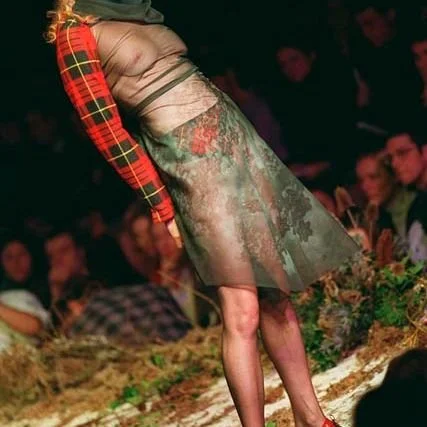
But the biggest clash of tartan usage happened in London Fashion Week, during the presentation of Highland Rape, the Autumn/Winter 1995 collection of Alexander McQueen.
The designer was inspired by the Jacobite Risings and the Highland Clearances, with this last movement in particular being deeply personal to him, as his family was one of the affected ones.
From 1750 to 1860, many Scottish Highlands and Islands were evicted for agricultural reform and laws removed their right to own arms and wear traditional clothing, like the kilt.
Harvard and The Fishermen
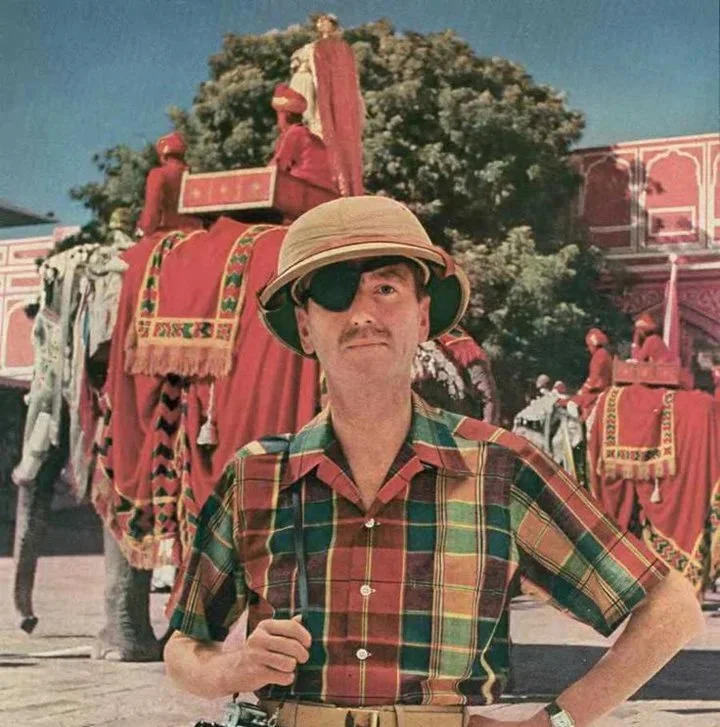
Madras was worn by the fishermen of Madrasapattinam (now Chennai in India). Traditionally made in cotton and dyed with vegetable ingredients, it started being exported to Europe by the East India Company in the 17th century.
The madras pattern became associated with wealth. First in the Great Depression, as not many people could travel to the Caribbean and later on, in Ivy League universities, as preppy baby boomers showcased them on campus. The Japanese photobook “Take Ivy” from 1965 is a prime example of this era, being at display in Ralph Lauren and J. Crew stores.


The French Touch
Vichy (or gingham) was imported from Southeast Asia in the 17th century and it was first used in tablecloths and napkins in the French region of Vichy.
After World War II, it catapulted into the fashion world, being a favourite in Brigitte Bardot’s wardrobe. So much so that, in 1959, Bardot wore a lace-trimmed pink and white Vichy dress for her second wedding. It was designed by Jacques Esterel.

Birdseye: From Corporate World to Atlantic Sunsets
Birdseye, a fabric woven to resemble a bird’s eye, became associated with impeccable Scottish tailoring. Used mostly in suits and in sober colours, the pattern dates back to the 18th century. Because of its absorption power, it is also used in diapers, albeit in unbleached cotton.
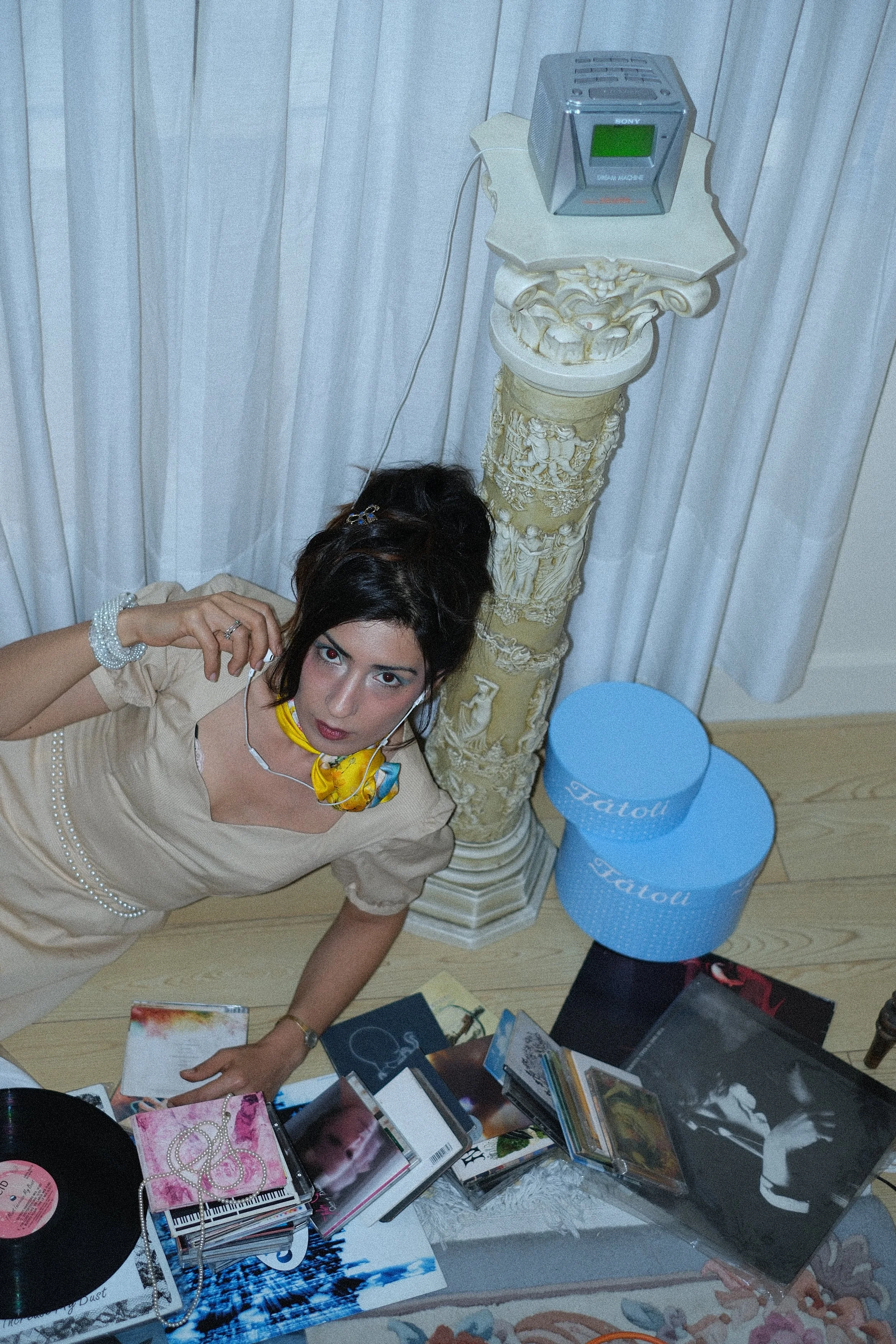
But when long, psychedelic waves are added to break up the symmetry, the designs transform into something softer and more playful. Paired with the pale gold colour, the illustration evokes the free, flowy sand of Portugal.
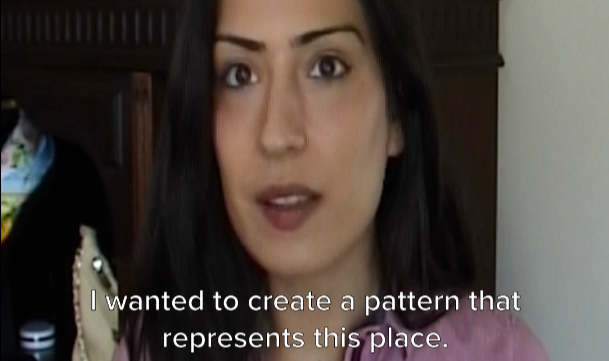
“I wanted to create a pattern that represents this place. The rough but charming beaches north to Porto.”
The sand in our beaches is so granular and wavy, that that was the inspiration for the pattern. It creates this little psychedelic, Summery effect.” says Clarisse Lobo, Fátoli’s designer.
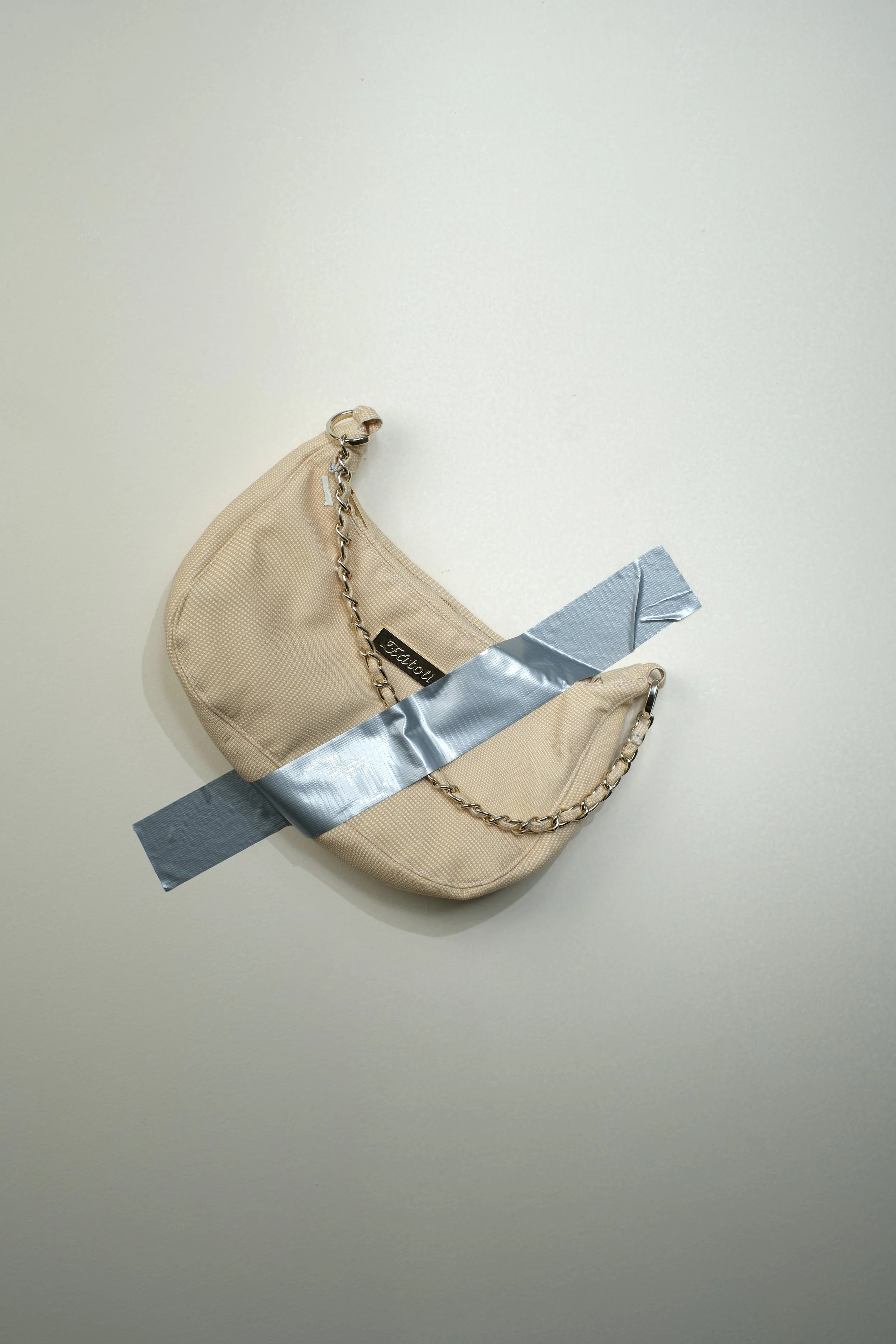
Sandwave is the name of the sandy print introduced by Fátoli, and it is featured predominantly in the tailored dresses and shoulder bags.
-
https://www.bbc.com/culture/article/20231103-how-madras-check-became-a-preppy-style-essential
https://livelniski.substack.com/p/lee-mcqueens-highland-rape-scottish
https://en.wikipedia.org/wiki/Tartan
https://theconversation.com/britains-textile-history-told-through-22-museums-and-archives-279485
https://www.deoost.com/blog/birdseye-suiting-fabrics-and-cloth
https://fredericmagazine.com/2020/11/vichy-check-fabric-design-jill-lasersohn/
https://en.wikipedia.org/wiki/Tartan
https://www.wildernessscotland.com/blog/highland-clearances/
https://www.ivy-style.com/on-the-60th-anniversary-of-take-ivy.html
https://www.vogue.com/slideshow/brigitte-bardot-weddings
https://americanhistory.si.edu/es/collections/object/nmah_621692
https://www.vogue.co.uk/gallery/burberry-check-print-history